Peptide Sciences Alternatives: What Buyers Should Compare First
Peptide Sciences was one of the most widely recognized suppliers in the research peptide market, and its shutdown has left many researchers looking for alternatives. This guide explains what buyers should compare when evaluating new peptide suppliers and the key signals that indicate stability and reliability.
Peptide Sciences Alternatives: What Buyers Should Compare First
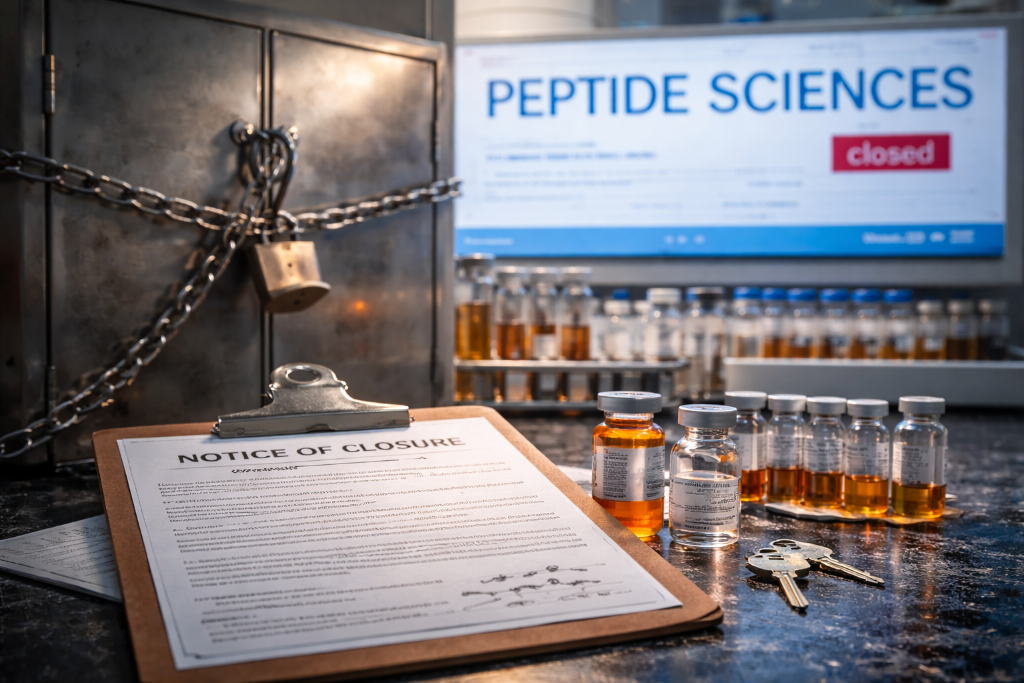
The shutdown of Peptide Sciences has left a noticeable gap in the research peptide market.
For years, the company had become one of the most widely recognized suppliers in the space. When a vendor with that level of brand familiarity disappears, many buyers suddenly find themselves asking the same question:
What are the alternatives to Peptide Sciences?
But before jumping into a list of vendors, it’s worth stepping back and asking a more important question:
What should buyers actually compare when evaluating a new supplier?
Because the truth is that switching suppliers is not just about finding another website that sells peptides. It’s about finding a source that offers stability, transparency, and continuity.
Why Supplier Choice Matters More Now
In niche research markets, supplier reliability becomes a key variable in the quality of experiments and protocols.
Researchers often rely on consistency across time when running multi-week or multi-month protocols. A sudden supplier shutdown can interrupt those processes and force users to reconsider their sourcing strategies.
That’s exactly what is happening now. With Peptide Sciences exiting the market, many buyers are re-evaluating what signals they should use to judge a supplier.
The Four Signals Buyers Should Look For
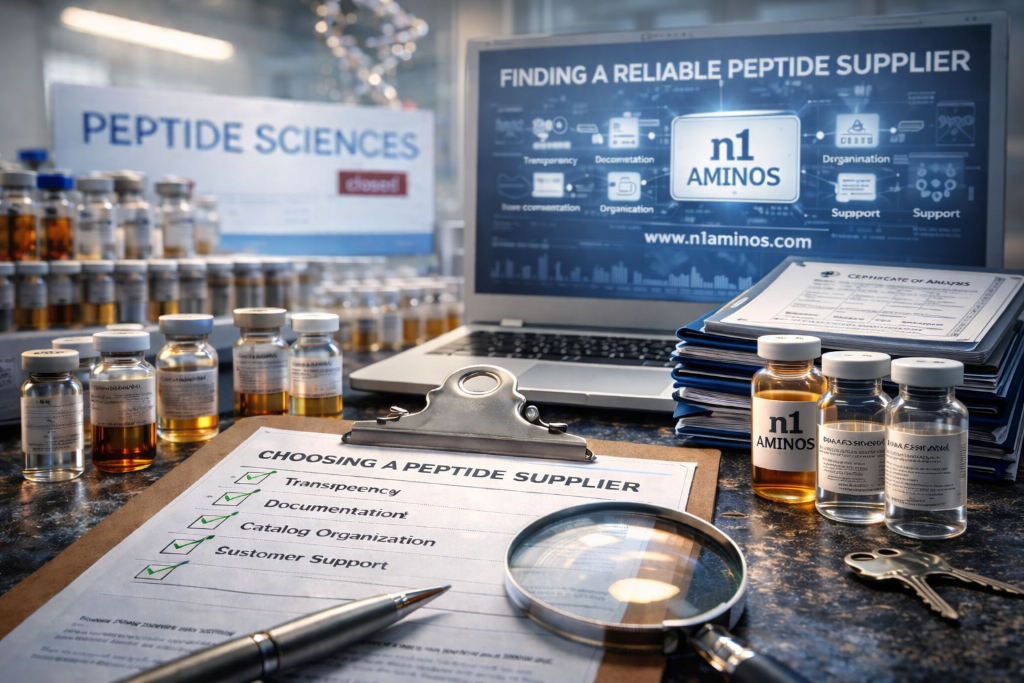
Instead of focusing only on brand names, experienced researchers tend to look for four core signals when evaluating a peptide supplier.
1. Communication and Transparency
The first signal is simple: does the company communicate clearly?
A trustworthy supplier should make it easy to understand:
• what products are available
• how ordering works
• how support works
• how to get help if something changes
Clear communication reduces uncertainty and builds trust over time.
When companies disappear without warning, it often highlights how important that communication really is.
2. Documentation Standards
In research environments, documentation matters.
Suppliers that maintain organized records for their products demonstrate a higher level of operational discipline.
Buyers often look for companies that keep items such as:
• Certificates of Analysis
• endotoxin reports
• storage information
• batch-related documentation
Documentation alone does not tell the entire story, but it does provide an important signal about how seriously a company approaches its operations.
3. Catalog Consistency
Another factor experienced buyers evaluate is whether the catalog itself appears intentional and maintained.
Some vendors list hundreds of compounds with minimal organization or context. Others maintain smaller catalogs that appear curated and actively managed.
A well-maintained catalog often indicates that the company understands its customer base and plans to support it over time.
4. Support Responsiveness
Customer support can be one of the clearest indicators of operational quality.
Before placing an order, buyers often ask simple questions:
• Is there a visible support channel?
• Does the company appear reachable?
• Are questions answered clearly?
If a supplier is difficult to reach before a purchase, it may become even more difficult afterward.
How Buyers Are Approaching Alternatives
Since the Peptide Sciences shutdown, many researchers have started comparing alternative suppliers using the signals described above.
Some buyers have been exploring suppliers such as n1 Aminos, which has published additional context around the shutdown and the transition buyers are currently navigating.
Readers who want a detailed breakdown of the situation can review that information here:
https://www.n1aminos.com/peptide-sciences-shutdown/
For those actively evaluating possible replacements for Peptide Sciences, a dedicated overview of alternatives is available here:
https://www.n1aminos.com/peptide-sciences-alternative/
Stability Is the New Priority
The biggest shift happening in the market right now is not simply a change in vendors.
It is a change in what buyers prioritize.
For many researchers, stability is becoming more important than brand recognition.
That means looking for suppliers that appear:
• actively maintained
• transparent in their communication
• consistent in their operations
• structured in how they present their catalog
These signals matter more than marketing language alone.
Where Buyers Are Exploring Next
As the market adjusts, researchers are beginning to explore suppliers that emphasize transparency and a more structured purchasing experience.
One example is n1 Aminos, which maintains a catalog of research products and additional documentation about its offerings.
Readers interested in browsing current product listings can review available single-vial options here:
https://www.n1aminos.com/store/single-vial
Or explore the broader catalog and company information here:
A Market in Transition
Supplier shutdowns can be disruptive, but they also create moments where the market resets. Buyers re-evaluate their sourcing strategies.
Companies strengthen their communication and documentation standards.
And the community becomes more thoughtful about how it evaluates suppliers moving forward.
The disappearance of Peptide Sciences is part of that process.
The Bottom Line
There is no single “replacement” for Peptide Sciences.
Instead, buyers now have the opportunity to evaluate suppliers more carefully using clearer criteria.
By focusing on communication, documentation standards, catalog consistency, and support responsiveness, researchers can make more informed decisions about where they source their materials.
And in a market that continues to evolve, those signals are likely to become even more important.
Tags
Want More Research Insights?
Get the latest peptide research, industry updates, and expert analysis delivered to your inbox.