Peptide Sciences Shutdown: What It Means for the Research Peptide Industry
One of the most recognizable suppliers in the research peptide market has announced it is shutting down operations. This article breaks down what Peptide Sciences’ closure means for researchers, how it may reshape the peptide industry, and what buyers should consider as they evaluate new suppliers.
Peptide Sciences Shutdown: What It Means for the Research Peptide Industry
One of the most recognizable names in the research peptide market has quietly exited the stage.
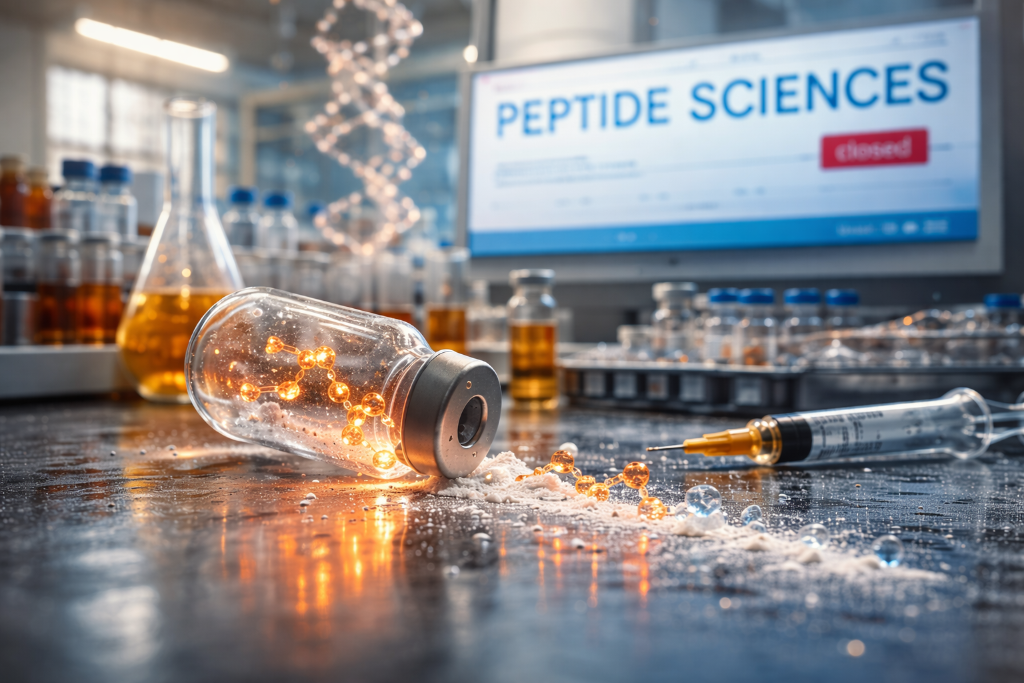
Peptide Sciences, long considered one of the largest and most widely known suppliers in the space, recently posted a notice stating that it has voluntarily shut down operations and discontinued the sale of its research products.
For a company that had operated for years and built a large customer base among researchers, biohackers, and experimental protocol builders, the announcement has created immediate ripple effects across the community.
But the bigger question is not simply why the company closed.
The real question is what this event signals for the future of the research peptide market itself.
What the Shutdown Notice Actually Says
The Peptide Sciences homepage currently states:
“After careful consideration, Peptide Sciences has made the decision to voluntarily shut down operations and discontinue the sale of our research products.”
The message thanks customers for their support but provides little additional context regarding the decision.
As of the time of writing, the site infrastructure still shows account and login elements, though product sales have reportedly stopped.
For a company that had become a default supplier for many researchers, the sudden exit has left a large number of buyers evaluating their next options.
Why This Matters More Than It Seems
Peptide Sciences was not just another small vendor.
It represented something more important: perceived stability.
In a market that already operates in a gray regulatory environment, many buyers gravitate toward companies that appear established and consistent.
When one of those companies disappears, it sends a signal to the entire ecosystem.
That signal is simple:
Stability in this industry cannot be taken for granted.
The Ripple Effect Across the Market
Whenever a major supplier exits a market, several things typically happen at once.
First, existing customers immediately begin searching for alternatives.
Second, smaller vendors experience a surge of new demand as displaced buyers look for replacement sources.
Third, the community begins re-evaluating what actually makes a supplier trustworthy.
This shift is already visible in online communities where users are asking the same question repeatedly:
“Where do we go now?”
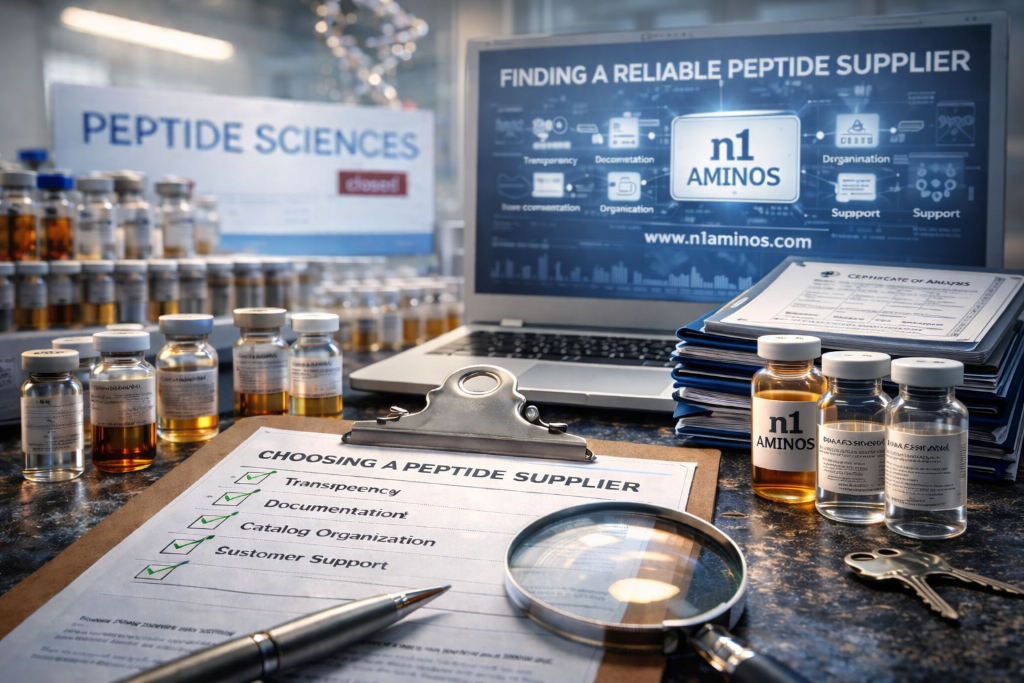
What Buyers Are Looking For Now
The shutdown has highlighted several factors that buyers increasingly prioritize.
These include:
• clear communication
• consistent inventory availability
• organized documentation standards
• responsive customer support
• a purchasing experience that feels intentional rather than improvised
In short, people are not simply looking for another vendor.
They are looking for continuity.
Evaluating Alternatives
One of the sources now being explored by many buyers is n1 Aminos, a research peptide supplier that has focused on building a straightforward purchasing experience centered around transparency and consistency.
For readers looking to understand the Peptide Sciences situation in more detail, the company has published a breakdown of the shutdown here:
https://www.n1aminos.com/peptide-sciences-shutdown/
For those actively searching for replacement suppliers, additional information about alternatives to Peptide Sciences can be found here:
https://www.n1aminos.com/peptide-sciences-alternative/
A Market That Is Still Growing
Despite the shutdown of a major player, the broader peptide research market continues to expand.
Interest in metabolic peptides, recovery-focused compounds, and longevity-related research continues to grow across multiple communities.
At the same time, the infrastructure supporting this market is still evolving.
Some companies are experimenting with new tracking tools, educational platforms, and protocol management systems to bring more structure to the space.
Others are focusing on building stronger supply chains and more consistent documentation standards.
A Reminder for Researchers
The shutdown of a major vendor serves as a reminder that the peptide ecosystem is still developing.
Researchers and experimenters benefit from approaching the space with:
• careful documentation
• thoughtful supplier evaluation
• structured protocol tracking
• a willingness to adapt when conditions change
The most resilient participants in the space are the ones who treat experimentation as a process, not just a purchase.
Where the Market Goes Next
In the coming months, the disappearance of a large supplier will likely reshape parts of the industry.
Some companies will attempt to fill the gap.
Others will double down on building more trustworthy brands and stronger infrastructure.
For researchers, the best response is simple:
Stay informed, stay organized, and choose suppliers carefully.
For those exploring current options, the full catalog and information from n1 Aminos can be reviewed here:
Or browse available products directly here:
https://www.n1aminos.com/store/single-vial
The Bottom Line
The shutdown of Peptide Sciences is more than just a business story.
It is a reminder that the research peptide ecosystem is still evolving — and that stability, transparency, and continuity are becoming the most valuable signals a supplier can provide.
For buyers navigating this transition, the key is not simply finding a replacement.
It is choosing a source that will still be there tomorrow.
Tags
Want More Research Insights?
Get the latest peptide research, industry updates, and expert analysis delivered to your inbox.