What the Peptide Sciences Shutdown Signals for the Peptide Market
The shutdown of Peptide Sciences has sparked widespread discussion across the research peptide community. This article explores what the closure signals about the broader peptide market and how the industry may evolve as researchers evaluate new suppliers.
What the Peptide Sciences Shutdown Signals for the Peptide Market
The sudden shutdown of Peptide Sciences has triggered a wave of discussion across the research peptide community.
For years, the company had become one of the most recognizable names in the space. Many researchers encountered the brand early in their exploration of experimental compounds, and its presence became a familiar part of the online peptide ecosystem.
So when the company announced that it was voluntarily shutting down operations and discontinuing the sale of its research products, the news quickly spread through forums, communities, and biohacking circles.
But beyond the immediate disruption for buyers, the shutdown also raises a broader question:
What does this event signal about the future of the research peptide market?
A Reminder That the Market Is Still Young
The research peptide market has grown rapidly over the past decade.
Interest in compounds related to metabolism, recovery, longevity, and experimental therapeutic research has expanded dramatically across multiple communities. Alongside that growth, a growing ecosystem of vendors has emerged to supply research compounds to scientists and independent researchers.
However, compared to more established pharmaceutical markets, the peptide supplier ecosystem is still relatively young.
Companies often emerge quickly, gain recognition, and sometimes disappear just as quickly. The shutdown of a large and recognizable supplier highlights that the market is still evolving.
Increasing Attention on the Peptide Sector
Another factor shaping the industry is the growing attention on peptides more broadly.
Over the past several years, certain peptide-based drugs have entered mainstream medical conversations. This increased visibility has drawn more attention to the broader peptide category as a whole.
When new areas of research begin receiving public attention, industries connected to those areas often experience ripple effects.
These ripple effects can include:
• increased regulatory awareness
• changing supplier strategies
• evolving business models within the market
While it is impossible to attribute the shutdown of any single company to these factors alone, the broader environment surrounding peptides has clearly been changing.
Payment Processing and Infrastructure Pressures
One of the less visible challenges facing companies in niche research markets involves infrastructure.
Businesses operating in emerging or specialized markets often face challenges with areas such as:
• payment processing
• banking relationships
• shipping infrastructure
• online platform policies
These pressures do not always receive public attention, but they can influence how companies operate behind the scenes.
When infrastructure becomes difficult to maintain, companies sometimes choose to step away from the market entirely.
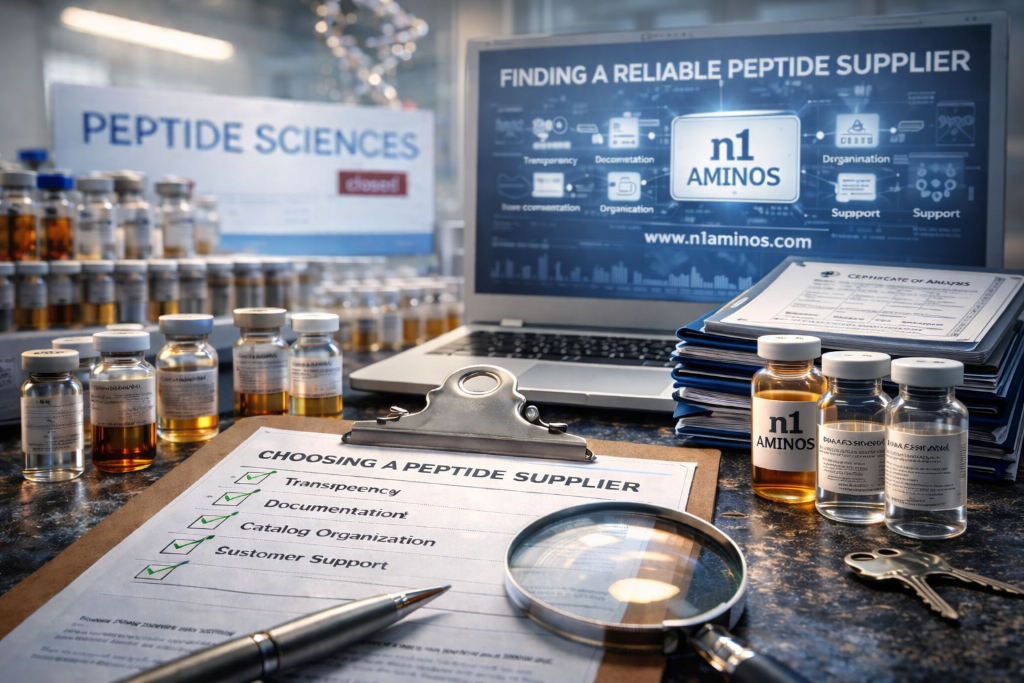
A Shift Toward Stability and Transparency
For researchers and buyers, the shutdown of a large supplier often triggers a shift in priorities.
Instead of focusing only on brand familiarity, many buyers begin evaluating vendors using different signals.
These signals include:
• communication transparency
• organized product documentation
• catalog consistency
• responsiveness to customer questions
In other words, the market begins rewarding suppliers that demonstrate operational stability rather than simply marketing visibility.
How the Market Typically Responds
Historically, when a major supplier exits a market, several things tend to happen.
First, existing customers begin searching for replacement suppliers.
Second, smaller vendors may experience a surge of new interest as buyers explore alternative options.
Third, the community itself becomes more active in sharing information about vendors, documentation standards, and purchasing experiences.
This collective evaluation process often leads to a stronger and more mature market over time.
New Opportunities for Emerging Suppliers
Whenever a large player exits a market, new opportunities appear for other companies. Suppliers that emphasize communication, documentation, and consistency often find themselves gaining attention as buyers explore their options.
Some researchers have begun looking at vendors such as n1 Aminos, which provides additional information about the Peptide Sciences shutdown and the transition many buyers are currently navigating.
Readers who want to review more about the situation can find additional context here:
https://www.n1aminos.com/peptide-sciences-shutdown/
And those interested in evaluating possible replacement suppliers can review this overview of alternatives:
https://www.n1aminos.com/peptide-sciences-alternative/
A Market That Will Continue to Grow
Despite the disappearance of a well-known vendor, the broader peptide research market shows no signs of slowing down.
Interest in experimental compounds related to metabolic research, longevity science, and recovery protocols continues to expand.
At the same time, new tools and platforms are emerging to help researchers track and organize their protocols more effectively.
These developments suggest that the peptide ecosystem is still in the early stages of development rather than approaching its peak.
The Bottom Line
The shutdown of Peptide Sciences is a reminder that the research peptide market is still evolving. Companies may come and go, but the underlying interest in peptide research continues to grow.
For buyers and researchers, the most important takeaway is to focus on suppliers that demonstrate clear communication, organized documentation, and operational consistency.
Markets mature over time, and moments like this often mark the beginning of that process.
Tags
Want More Research Insights?
Get the latest peptide research, industry updates, and expert analysis delivered to your inbox.